At a gathering dedicated to men’s mental health, one man began sharing his personal experiences. Others followed, taking turns speaking about their own lives.
The exchange unfolded at Salud Chicago’s first men’s social at Hoste in Pilsen, where roughly 40 men attended — twice the number organizers had anticipated. The turnout prompted organizers to abandon a planned panel discussion, allowing attendees to lead the conversation instead.
Since launching in 2023
“It can be a place where shame, guilt, fear can be left at the door because you know that this space is for you,” Camacho said.
Since launching in 2023, Salud has hosted free mental health talks, healing gatherings and social events in places like plant shops, breweries and parks. Founded by Camacho and his wife, Jazzine Acevedo, the organization brings mental health professionals into community spaces, making room for conversations about mental health outside traditional clinical settings.
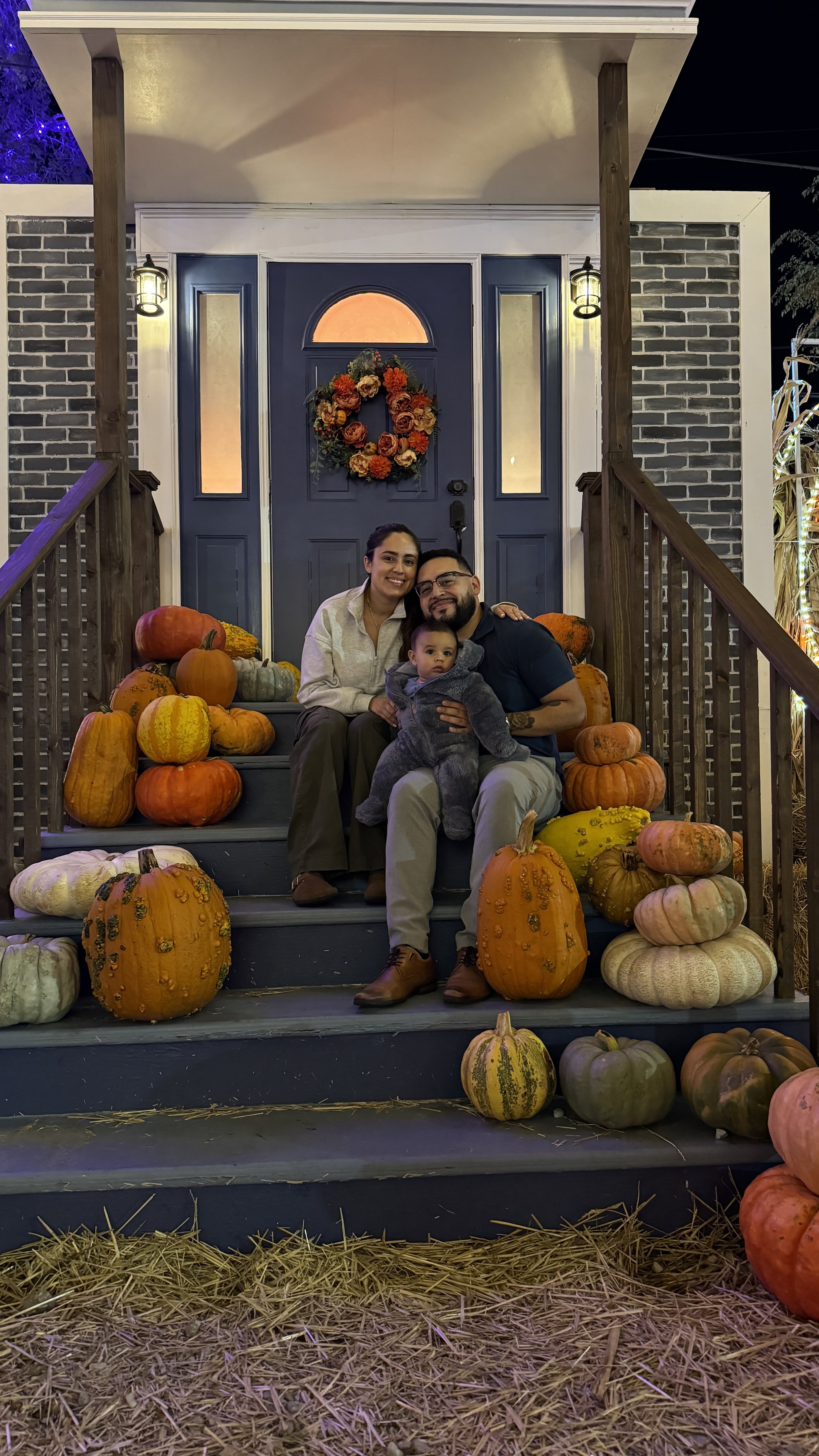
Camacho, a bilingual psychologist and professor at Loyola University Chicago, grew up on Chicago’s Southwest Side. He and Acevedo, a nurse, are the couple behind Salud.
Before the family backgrounds
Both founders came to the work with different experiences of how mental health was — and wasn’t — discussed in their families.
Camacho’s mother arrived in Chicago from Mexico in the late 1980s, with Pilsen as her first home. She was learning a new language, looking for work and building a life in a city where she did not have the kind of community support Salud offers today. Decades later, watching her son build the organization, she told him, “I didn’t have this when I was your age.”
Similarly, Acevedo grew up in a family where mental health was rarely discussed directly. Her parents showed care through food, car rides and other small gestures, but feelings were rarely something the family talked about openly.
“My parents did a lot of that. They didn’t necessarily brush me to the side or anything like that. But they never verbalized how they felt or had me talk about how I felt. It was more so, small actions of love,” Acevedo said.
Her experience reflects a broader conversation about the barriers some Hispanic adults face when seeking mental health care. According to KFF’s 2024 report, 30% of Hispanic adults who believed they or their child needed mental health care but did not seek a provider cited fear or embarrassment as the main reason.
Before Juntas
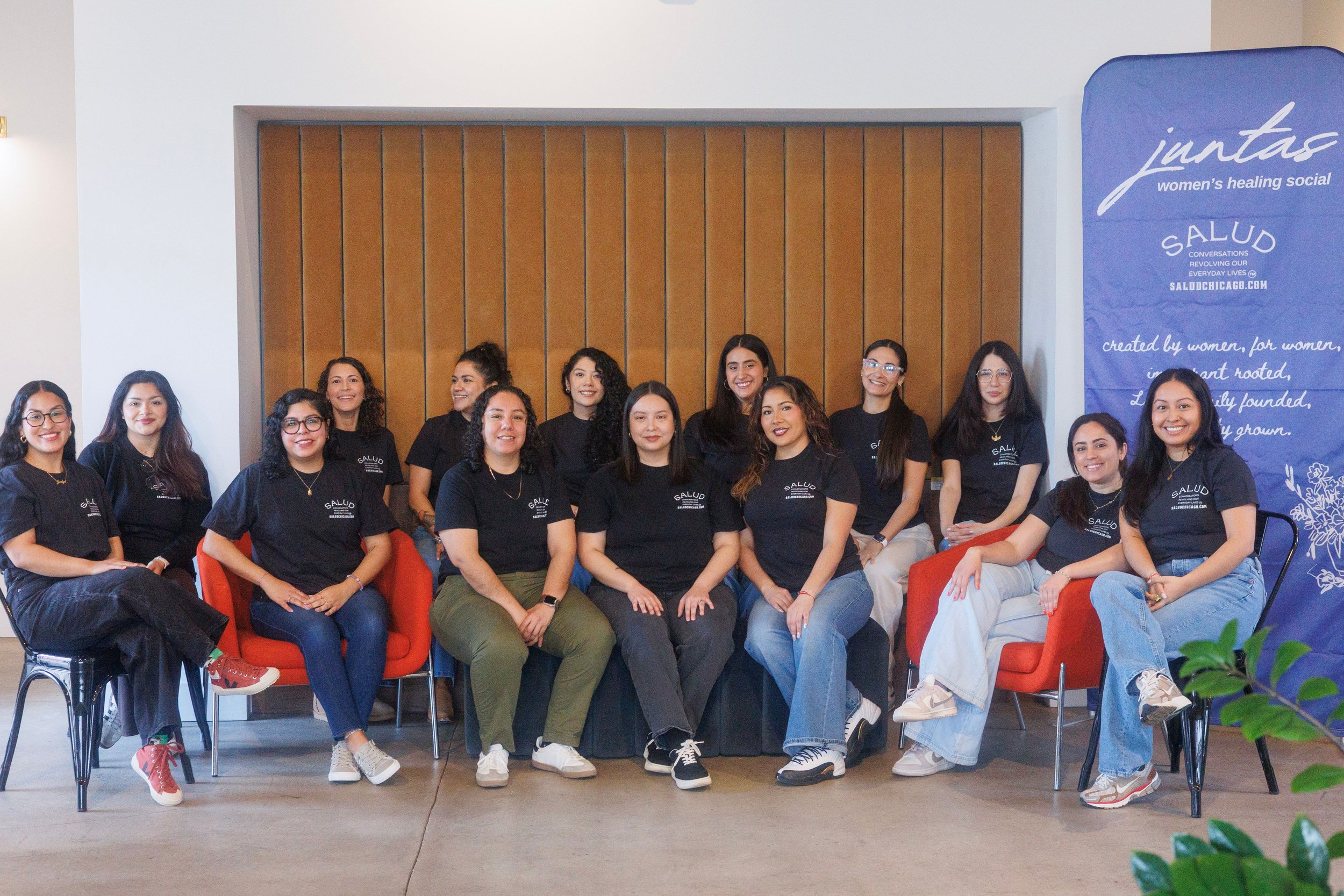
Acevedo’s experience helped shape Juntas, Salud’s women-centered gatherings. The group creates space for women to talk, move and build relationships outside of home and work.
At one Juntas gathering, women learned about cumbia through movement, and a discussion of the music’s history and its connection to resilience and resistance. The event came during a period of heightened immigration enforcement, and the conversation turned to fear, safety and community. Women talked about how to keep showing up for their families and communities.

Another Juntas gathering took women on a hike. Acevedo, who had experienced postpartum depression after having her son, said women approached her afterward to share their own experiences with postpartum depression. The conversations made her feel less alone and showed her how much women could find in one another when given the space to talk.
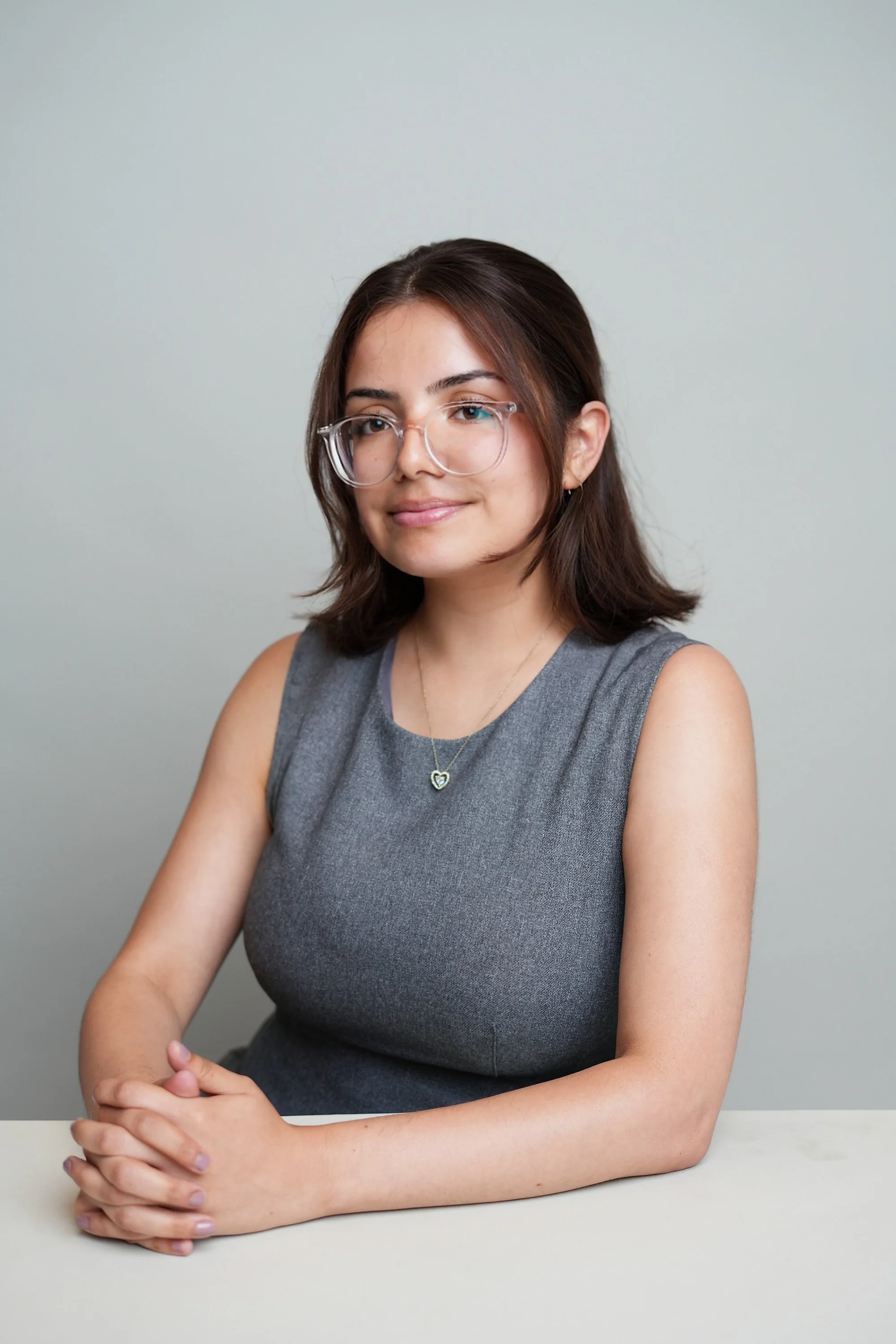
Darcey Gallardo found Salud while scrolling through Instagram in late 2022. She began volunteering in June 2023, helping with events, and working alongside mental health professionals and advocates.
Before Salud, Gallardo said many of the clinicians she encountered while interviewing or shadowing were white.
“Being able to be in a room full of people who look like me honestly helped me believe in myself,” Gallardo said.
Gallardo is now pursuing a PsyD at Roosevelt University and serves as Salud’s mental health advocacy lead. Her work has involved creating accessible education about grief, including a project exploring “grieving innocence,” or the loss young people can experience when immigration enforcement and family responsibilities force them into adult roles.
Her work with Salud has also pushed her to think about how psychological concepts are communicated to people who may be encountering them for the first time.
For the next generation
“Not everyone is gonna understand clinical jargon. So how are we making mental health attainable and understandable for people who this is their first time with it?” Gallardo said.
After three years of moving from venue to venue, Salud is trying to build something permanent. Camacho wants the work to continue beyond him and Acevedo, becoming a resource for families who may not have had places to turn in the past.
“I hope to contribute to a world where my son knows where he can go to get help,” Camacho said.